
Can You Eat Bread on the Mediterranean Diet? Healthy Choices Explained
If you’re interested in the Mediterranean diet for its health benefits and tasty flavours, you may be asking about one important food: bread. With so much mixed advice about carbs and weight loss, it’s totally natural to question how bread fits into this popular diet.
The great news is that bread is not only allowed on the Mediterranean diet—it’s actually a key component! The trick is knowing which types of bread complement this lifestyle and how to enjoy them in a healthy way.
In this guide, you’ll find out which breads can support your health goals. You’ll also learn how Mediterranean cultures have included bread in their meals for generations. Additionally, we’ll share easy tips for making bread a nutritious part of your daily diet. By the end, you’ll feel confident in choosing, preparing, and enjoying bread while sticking to Mediterranean guidelines.
Focus on whole grain and less processed breads instead of the usual white bread. Bread plays a pretty flexible role in the Mediterranean diet if you make smart choices.
Look for things like whole wheat, sourdough, or pita—these have more fiber and nutrients than the basic white stuff.
Knowing which breads work best and how to enjoy them will help you stick to your Mediterranean lifestyle.
You’ll find out which breads are healthiest, which to skip, and some tasty ways to add bread to your meals without blowing your health goals.
Is Bread Allowed on the Mediterranean Diet?
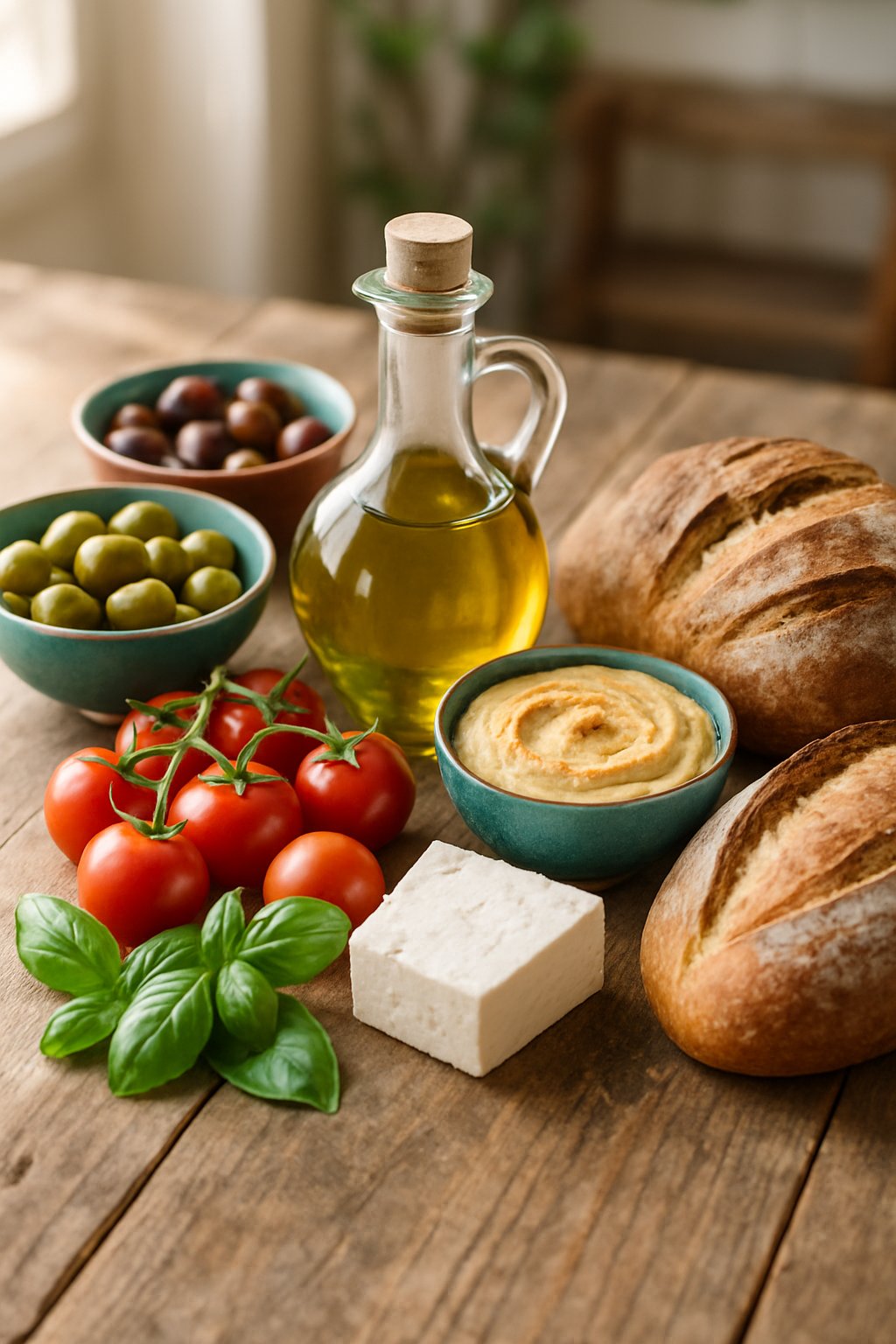
Yes, bread is allowed on the Mediterranean diet and it actually plays a pretty big role in traditional eating patterns. The trick is to choose whole grain varieties and eat them in moderation as part of balanced meals.
Bread’s Role in Mediterranean Cuisine
Bread is a staple across the Mediterranean—think Greece, Italy, Spain. People use it as a base for meals, dip it in olive oil, or eat it with veggies and legumes.
It’s often a vehicle for healthy fats. You dip bread in olive oil, scoop up hummus, or pair it with tomatoes and herbs.
The bread you usually find in these countries isn’t the same as processed white bread. Whole grain varieties have fiber, B vitamins, and minerals that actually support your health.
Try adding bread to your Mediterranean diet by picking dense, hearty loaves made from grains like spelt or barley. They offer way more nutrients than the refined stuff.
Bread Myths and Facts
Some folks think you have to ditch bread entirely on this diet, but that’s not true. The Mediterranean diet allows bread if you pick the right types.
Myth: All bread is off-limits. Fact: Whole grain bread is encouraged, just keep the portions reasonable.
Myth: White bread is fine in small amounts. Fact: It’s better to stick with whole grain options instead of white bread.
Modern diet culture often blames carbs, but Mediterranean cultures have eaten bread for ages and still enjoy good health.
Focus on quality over quantity. Go for artisanal breads with minimal ingredients instead of mass-produced, preservative-heavy loaves.
Traditional Bread Consumption in Mediterranean Countries
People in Mediterranean countries eat bread differently than in the West. You’ll usually see smaller portions served next to nutrient-rich foods, not as the main event.
In Greece, you might have whole grain pita with veggies and feta. Italians often eat a small chunk of crusty bread with olive oil.
Traditional patterns look like this:
- Small portions (1-2 slices per meal)
- Whole grain or sourdough breads
- Paired with healthy fats like olive oil
- Eaten with veggies, legumes, or fish
Spanish tapas culture uses bread as a base for healthy toppings, so you get flavor and satisfaction without overdoing it. This style helps you keep portions in check while still enjoying bread.
If you want to eat bread the Mediterranean way, treat it as a sidekick, not the star of your plate.
Best Types of Bread for the Mediterranean Diet
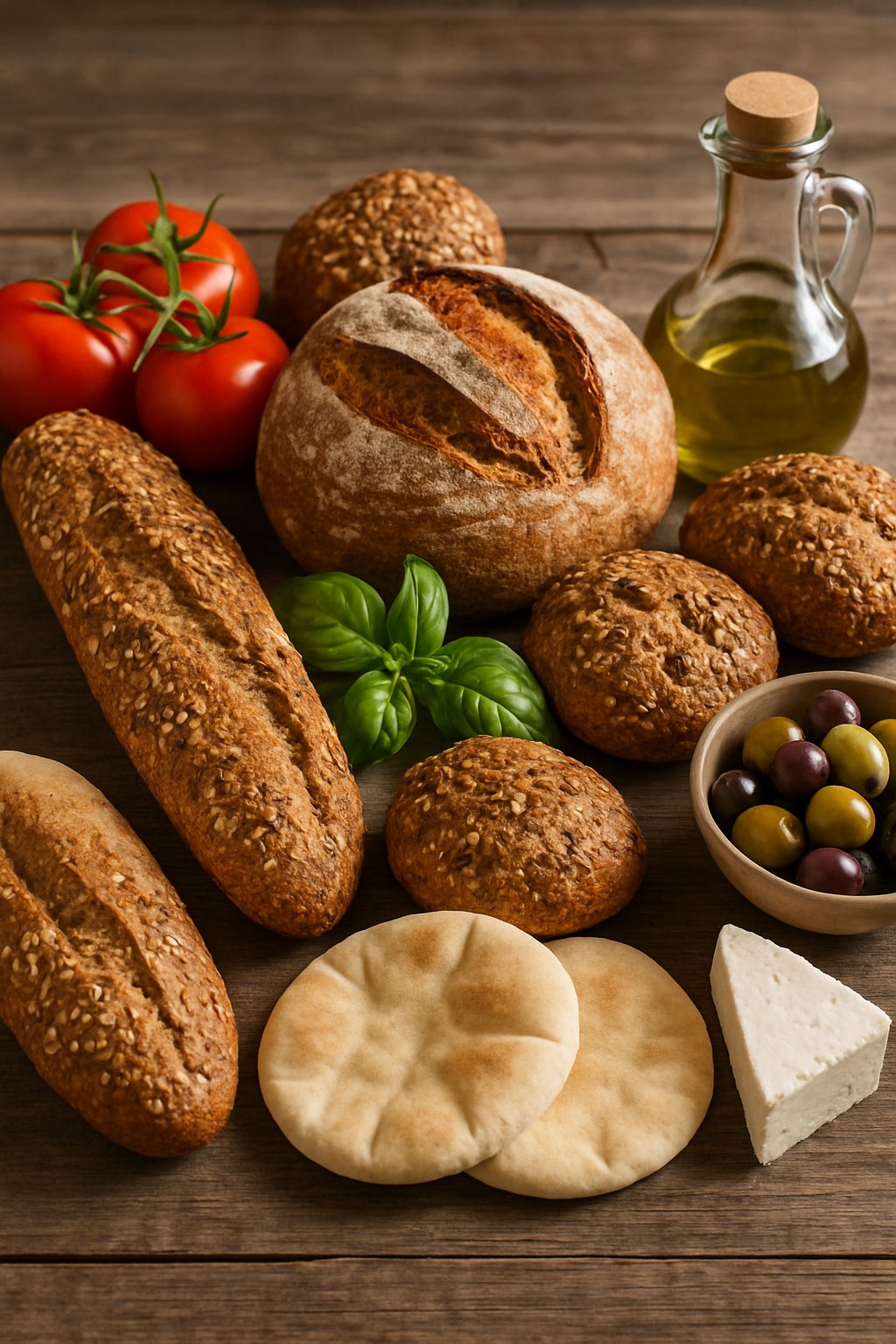
The Mediterranean diet is all about bread made from whole grains like wheat, rye, or barley. These give you fiber and protein, and fermented breads like sourdough are even easier on your stomach.
Sprouted grain breads add extra nutrients, too.
Whole Wheat Bread
Whole wheat bread is pretty much the backbone of Mediterranean-friendly bread. It keeps the whole wheat grain intact, so you get the bran, germ, and endosperm.
That means more fiber, protein, and nutrients than white bread. Look for labels that say “100% whole wheat” so you don’t accidentally get a refined mix.
Each slice usually gives you 2-3 grams of fiber and 4 grams of protein. That fiber helps keep your blood sugar steady and your digestion moving.
Try whole wheat bread with olive oil, tomatoes, or Mediterranean spreads. Spanish pan con tomate is a classic example.
Go for brands with simple ingredients: whole wheat flour, water, yeast, and salt. The nutty flavor and dense texture pair well with Mediterranean flavors, and you’ll probably feel fuller longer than with white bread.
Sourdough Bread
Sourdough bread gets its flavor and texture from a natural fermentation process. That makes it easier to digest and less likely to spike your blood sugar.
The wild yeast and bacteria in sourdough starter break down proteins and starches before you even eat them. This process also reduces phytic acid, which can block your body from absorbing minerals like iron and zinc.
Sourdough also has a lower glycemic index than most regular bread. For the best benefits, pick whole grain sourdough instead of the white kind.
The tangy flavor comes from fermentation, not added ingredients. Real sourdough takes time—usually 12 to 24 hours to make.
Try dipping sourdough in olive oil and balsamic, or use it for bruschetta with basil and tomatoes. Its chewy texture stands up well to Mediterranean toppings.
Whole Grain and Sprouted Grain Breads
Whole grain breads made from rye, barley, buckwheat, or millet give you variety and different nutrients. Each grain brings its own flavor to the table.
Rye bread is high in lignans, which are plant compounds with antioxidant perks. Barley bread offers beta-glucans, a special fiber that helps lower cholesterol. Both have lower glycemic indexes than wheat.
Sprouted grain breads like Ezekiel bread mix whole grains and legumes. Sprouting ups the protein and makes nutrients easier to absorb. You’ll often see flax seeds in these breads for a little omega-3 boost.
Look for breads with visible seeds and grains. The ingredient list should start with whole grains, not refined flour. These dense breads are perfect with hearty Mediterranean soups and stews.
| Grain Type | Key Benefits | Best Pairings |
|---|---|---|
| Rye | High fiber, lignans | Vegetable soups, olive tapenade |
| Barley | Beta-glucans, heart health | Lentil dishes, goat cheese |
| Sprouted grains | Complete proteins | Hummus, roasted vegetables |
Pita Bread
Whole wheat pita bread is super versatile for Mediterranean meals. Traditional pita is simple—just flour, water, yeast, and salt.
The pocket is perfect for stuffing with veggies, beans, or lean proteins. A 6-inch whole wheat pita usually has about 4 grams of fiber and 6 grams of protein for around 150 calories.
This makes it a solid, balanced choice. Avoid pitas with added oils or sugars that aren’t part of the classic recipe.
Stuff pita with falafel, tabbouleh, grilled veggies, or hummus. You can also cut it up for dipping.
Choose pita made with whole wheat flour, not white. The whole grain version packs in more nutrients and keeps you full longer. Store-bought is fine—just check that whole wheat flour is the first ingredient.
Breads to Limit or Avoid
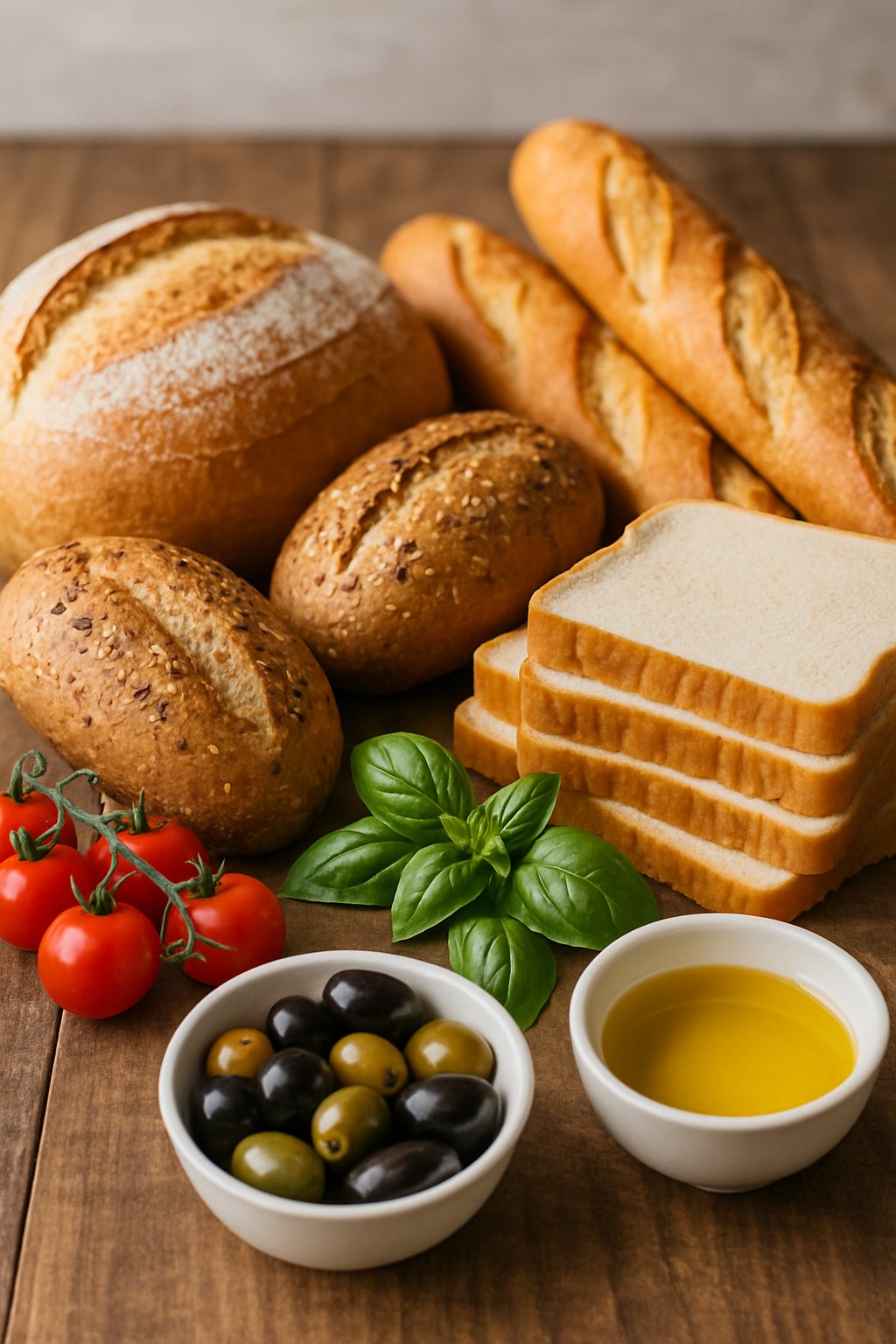
White bread and refined flour products really don’t give your body much. Sweet breads or those with added sugars can spike your blood sugar and work against the Mediterranean diet’s benefits.
White Bread and Refined Grains
White bread offers little nutritional value compared to whole grain bread. The refining process strips away the bran and germ, so you lose most of the fiber, vitamins, and minerals.
Refined grains to skip:
- Standard white sandwich bread
- Wonder bread and similar mass-produced loaves
- Enriched wheat flour products
- Regular hamburger and hot dog buns
These breads have a high glycemic index, meaning they’ll spike your blood sugar quickly. Your body then has to pump out more insulin to deal with the spike.
Watch for “enriched wheat flour” on labels—that’s a sign of refined grains. Even if they add vitamins back in, the bread is still missing the natural fiber and nutrients of whole grains.
Sugar-Infused and Processed Breads
Sweet breads really don’t fit well with the Mediterranean diet. Cinnamon buns and sugar-infused breads are loaded with added sugars that clash with the whole point of eating this way.
Breads to limit or avoid:
- Cinnamon rolls and sweet rolls
- Donuts and filled pastries
- Brioche and challah bread
- Flavored bagels with sugar
Store-bought breads can sneak in a surprising amount of sugar. Commercial breads often include corn syrup and other sweeteners that just add empty calories.
Some of these breads have 15-20 grams of sugar per serving. That’s about 4-5 teaspoons of sugar in only two slices. Yikes.
How Added Sugars Impact Health
Added sugars in bread mess with your body’s natural energy rhythms. Eat a sugary bread, and your blood sugar shoots up fast—then drops just as quickly.
This rollercoaster leaves you hungrier and craving more food soon after. It’s honestly no wonder weight management gets tougher when you eat this stuff.
Health impacts of high-sugar breads:
- More inflammation throughout your body
- Greater risk of blood sugar swings
- Less fullness, more appetite
- Possible weight gain over time
The Mediterranean diet really aims for steady energy from real food. Added sugars just sabotage that by setting you up for energy crashes.
Go for breads with less than 3 grams of sugar per slice. Always check the ingredient list and skip anything where sugar pops up near the top.
Nutritional Benefits of Choosing the Right Bread
If you pick whole grain breads for the Mediterranean diet, you get more fiber, B vitamins, minerals like iron, and way better blood sugar control than with white bread. It just sets you up for a better day.
Fiber and Satiety
Whole grain breads have a lot more fiber than white bread. A slice of whole wheat bread usually gives you 2-3 grams of fiber, while white bread barely hits 1 gram.
This difference really matters for hunger. Fiber slows digestion and helps you stay full for hours. Eat a slice of whole wheat or sourdough bread, and the fiber bulks up in your stomach.
Your body has to work harder to process all that fiber. It takes time and energy, which means you stay satisfied longer.
That means fewer cravings between meals. When you switch to fiber-rich breads, you might notice you don’t feel like snacking as much. It’s honestly a game changer for a lot of folks.
Vitamins and Minerals
Whole grain breads bring nutrients that white bread just can’t match. The bran and germ are loaded with vitamins and minerals.
B vitamins like thiamine, riboflavin, and niacin help your body turn carbs into energy. They’re kind of essential for feeling good day to day.
Iron in whole grains helps move oxygen around your body. A lot of people, especially women, don’t get enough iron from food alone.
Magnesium keeps your muscles and nerves working right. Selenium acts as an antioxidant, protecting your cells. Barley bread has beta-glucans that help lower cholesterol, which is pretty neat.
White bread loses most of this during processing. Even when companies add vitamins back in, the synthetic stuff doesn’t work as well as the real deal from whole grains.
Impact on Blood Sugar
The bread you pick really affects your blood sugar after you eat. Whole grain and sourdough breads have lower glycemic indexes than white bread, which is good news.
White bread spikes your blood sugar within half an hour. Your pancreas scrambles to pump out insulin to bring it back down.
Whole grain breads release glucose more slowly. The fiber and protein in them act like a buffer, so you avoid those wild swings.
Sourdough does even better thanks to fermentation. The acids in sourdough slow down glucose absorption, so your energy stays steadier. No crash, just a smoother ride.
If you have diabetes or prediabetes, low-glycemic breads can help a lot. But honestly, anyone feels and performs better when their blood sugar isn’t all over the place.
Delicious Mediterranean Ways to Enjoy Bread
The Mediterranean diet takes simple bread and turns it into something special. Pair it with olive oil, fresh veggies, or protein-rich spreads, and suddenly it’s both tasty and good for you.
Pairing Bread With Healthy Fats
Olive oil is the go-to for Mediterranean bread pairings. Just drizzle extra virgin olive oil over whole grain bread and maybe sprinkle a little sea salt. Simple, but so good.
Fresh avocado is another awesome option. Mash up ripe avocado with lemon juice, garlic, and herbs. Spread it on toasted whole wheat bread for a creamy meal that’s honestly hard to beat.
Try these combos if you want to mix things up:
- Olive oil with crushed garlic and rosemary
- Avocado with tomatoes and basil
- Olive tapenade made from olives and olive oil
- Tahini drizzled with olive oil and za’atar
Healthy fats like these help your body absorb vitamins. Plus, they keep you full way longer than bread by itself ever could.
Creative Mediterranean-Style Sandwiches
Mediterranean sandwiches are all about fresh veggies, herbs, and lean proteins. Use whole grain pita or sourdough as your base for a solid start.
Fill pita pockets with grilled veggies—think eggplant, zucchini, bell peppers. Toss in fresh herbs like parsley, mint, or oregano for a flavor boost.
Popular Mediterranean sandwich ideas:
| Sandwich Type | Main Ingredients | Bread Choice |
|---|---|---|
| Greek Veggie | Cucumbers, tomatoes, olives, feta | Whole wheat pita |
| Grilled Chicken | Chicken, peppers, onions | Sourdough bread |
| Tuna & White Bean | Tuna, white beans, arugula | Whole grain bread |
Layer up fresh mozzarella with tomatoes and basil for a Mediterranean spin on the classic caprese. It’s simple, but the flavors really pop.
Dips and Spreads to Complement Bread
Hummus is honestly the king of Mediterranean spreads. It’s creamy, chickpea-based, and packs a solid punch of protein and fiber, especially when you scoop it up with whole grain bread or pita.
Want to make your own hummus? Just blend chickpeas, tahini, lemon juice, and garlic together. Warm pita triangles on the side make it way more fun to eat.
Tzatziki is a total classic too. This spread uses Greek yogurt and cucumbers, so it’s cool, refreshing, and loaded with protein.
It goes really well with whole wheat pita bread—simple but honestly hard to beat.
There are other traditional spreads worth trying:
- Baba ganoush – roasted eggplant mixed with tahini
- White bean dip – cannellini beans blended with fresh herbs
- Tapenade – a bold olive spread with capers
- Muhammara – sweet roasted red peppers and walnuts
If you’re curious, these Mediterranean diet bread recipes can help you mix and match your own combos at home. Each spread brings its own flavor and nutrients, so you’ll never get bored.
Bread doesn’t have to be an enemy of healthy eating. When you choose wisely and eat mindfully, it can be a tasty part of the Mediterranean lifestyle. The secret is to pick whole grain, minimally processed breads like whole wheat, sourdough, and sprouted grain. Avoid refined white breads and those high in sugar.
Focus on the Mediterranean way: quality over quantity, whole foods instead of processed ones, and meals that mix many healthy ingredients. Pair a slice of hearty whole grain bread with olive oil, fresh vegetables, or protein-rich spreads like hummus. This way, you’re not just eating—you’re nourishing your body, just as Mediterranean cultures have for generations.
Start small: swap one refined bread for a whole grain option this week. Your taste buds will adapt, your energy will balance, and you’ll get closer to the Mediterranean way of eating. After all, some of the healthiest people in the world have enjoyed bread for thousands of years—and now you can do it the right way.


