
What to Eat on the Mediterranean Diet: Your Complete Food Guide for Healthy Living
Imagine having delicious, filling meals every day that also improve your health – sounds too good to be true, doesn’t it? That’s what the Mediterranean diet offers, which is why millions love this way of eating.
Think of the sunny coastlines of Greece, Italy, and Spain, where families gather around tables, sharing meals rich in vibrant tomatoes, golden olive oil, fresh herbs, and perfectly grilled fish. This isn’t just a diet; it’s a celebration of food that’s also great for you.
What makes the Mediterranean approach stand out? It’s all about foods that taste amazing. We’re talking creamy avocados, crunchy nuts, flaky fish, colourful vegetables, and even a glass of red wine with dinner. No measuring, no counting, no feeling deprived. Just real food that nourishes your body and delights your taste buds.
The best part? You don’t need to live near the Mediterranean Sea to enjoy these benefits. Whether you want to boost your energy, support your heart, or simply enjoy meals more, this time-tested way of eating fits perfectly into any kitchen, anywhere in the world.
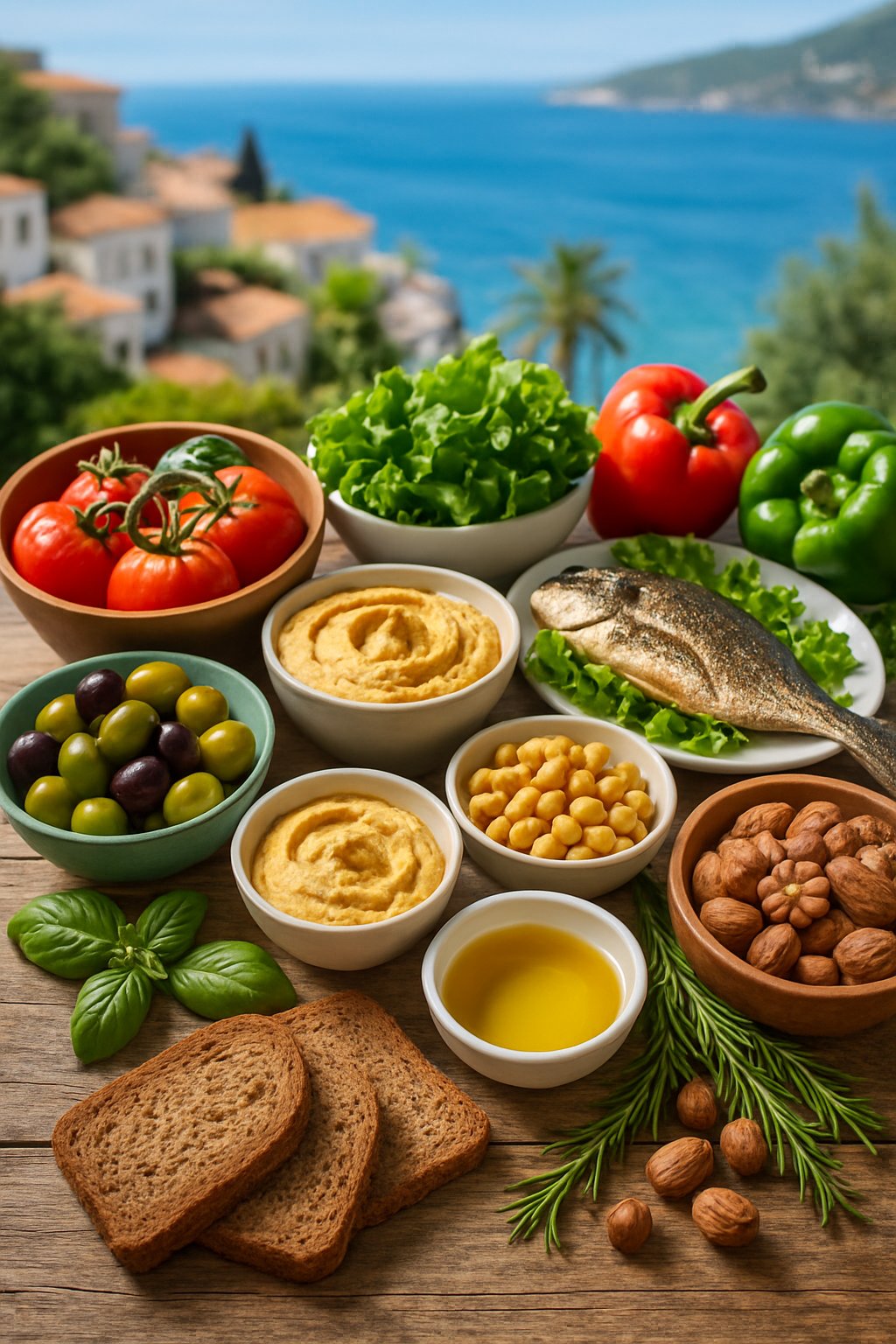
If you’re curious about giving the Mediterranean diet a shot, you might be wondering what foods you can actually eat and love. The good news: this diet is packed with delicious options like fruits, veggies, whole grains, fish, nuts, and olive oil—so meals are both satisfying and good for you.
What Foods Make Up the Mediterranean Diet?
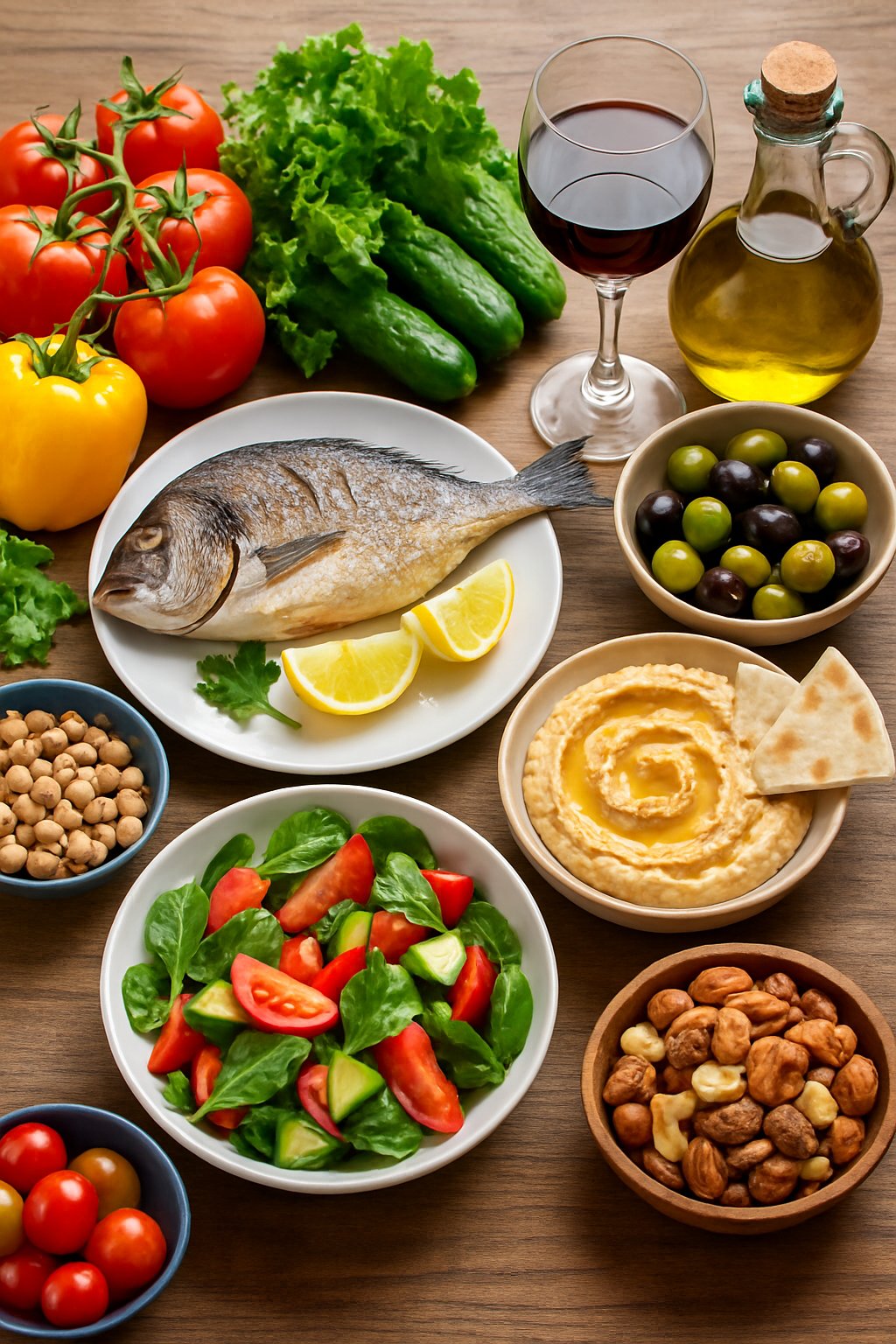
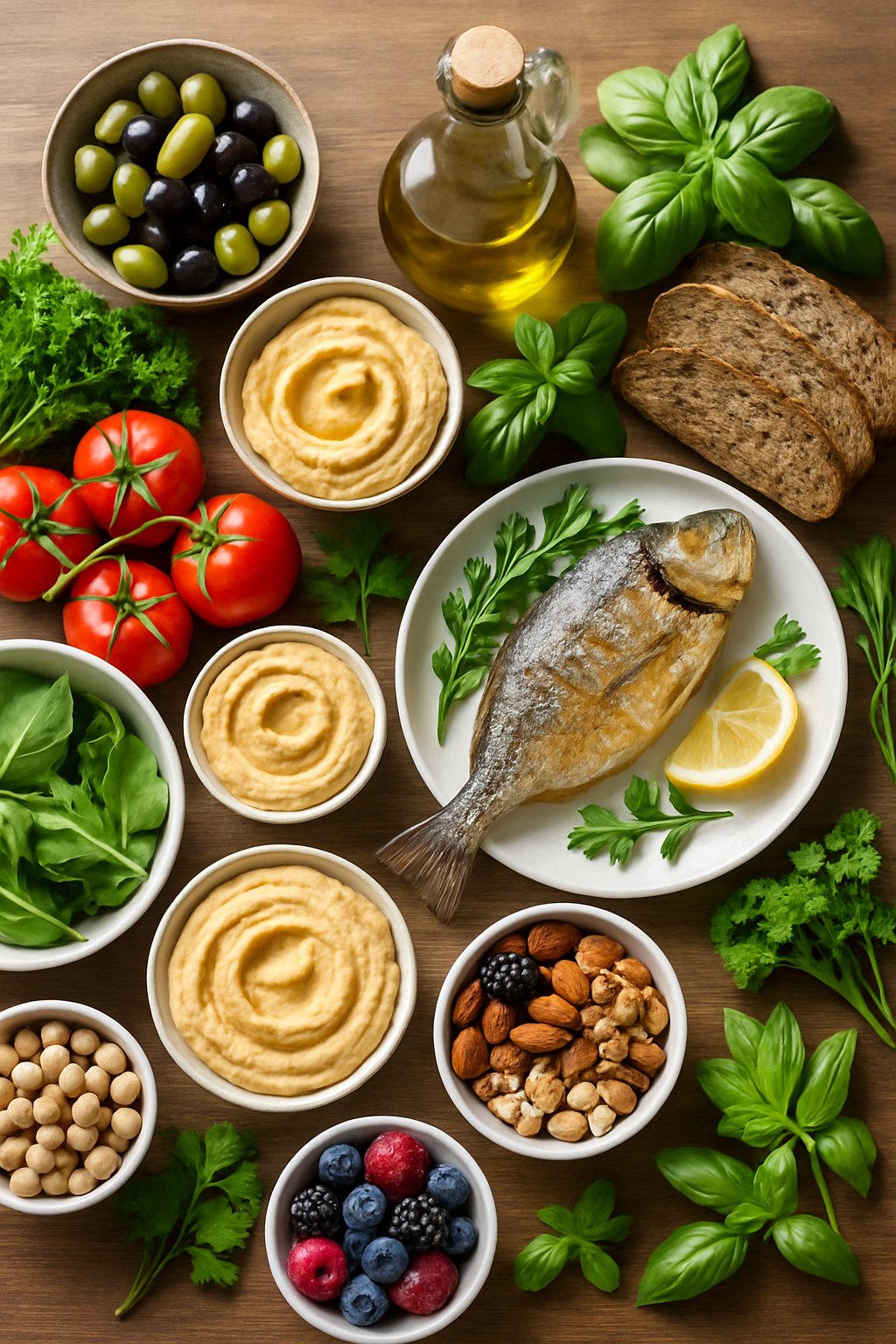
The Mediterranean diet is all about fresh, whole foods that are easy to find and pretty simple to cook. Fruits and vegetables are the backbone of your meals. You’ll load up on leafy greens, tomatoes, peppers, and whatever fruit’s in season.
Whole grains take the place of refined stuff. So, think brown rice, quinoa, and whole wheat bread instead of white bread or pasta.
For protein, fish and seafood are the stars. Chicken and turkey work too, just in smaller amounts. You’ll also find beans, lentils, and chickpeas pop up a lot.
Healthy fats come mostly from olive oil, which you’ll use for cooking and drizzling over salads. Nuts, seeds, and avocados add even more good fats to your meals.
Dairy like Greek yogurt and cheese is fine, just keep it moderate.
Try to keep red meat, processed foods, and sugary treats for special occasions. No need to cut them out completely, but they’re not everyday choices here.
Add More Plants to Your Meals
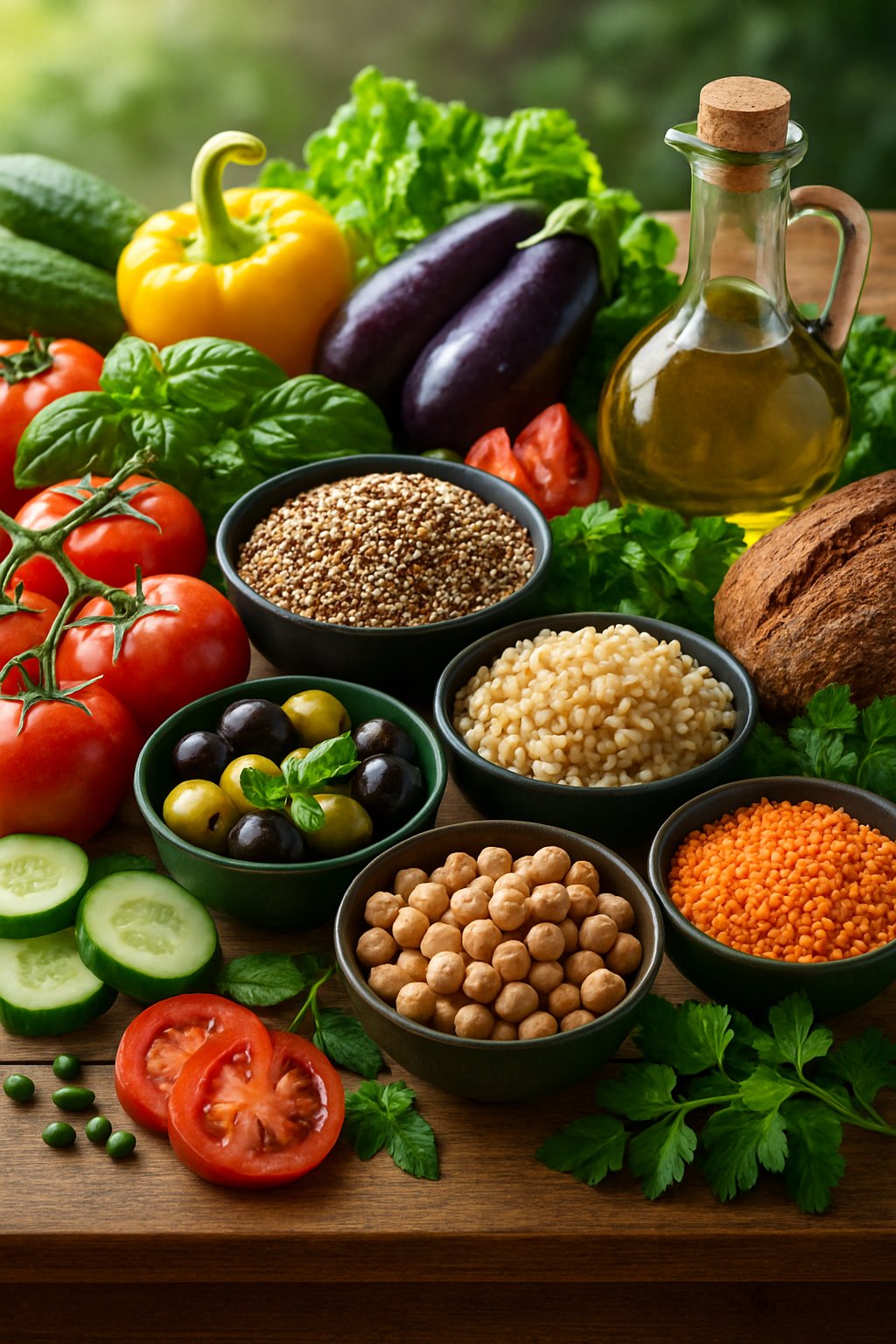
The Mediterranean approach puts plants right at the center of your plate. You don’t have to ditch meat completely, but most of your meals should be loaded with colorful plant foods.
Start with these key plant foods:
- Fresh veggies like arugula, cherry tomatoes, fennel
- Fruits of all kinds
- Whole grains for lasting energy
- Beans and other legumes
- Walnuts and other nuts
- Lots of fresh herbs
Try throwing together a Greek salad with cherry tomatoes, red onions, and herbs. Or snack on a crudité platter with veggies and roasted red pepper hummus.
Greek yogurt with nuts? Yes, please. Or whip up hummus with tahini for a creamy dip.
Adding capers to your dishes brings in that extra Mediterranean flavor. The real trick is to let plants take the spotlight and keep things simple and tasty.
Include Fish and Light Proteins in Moderation
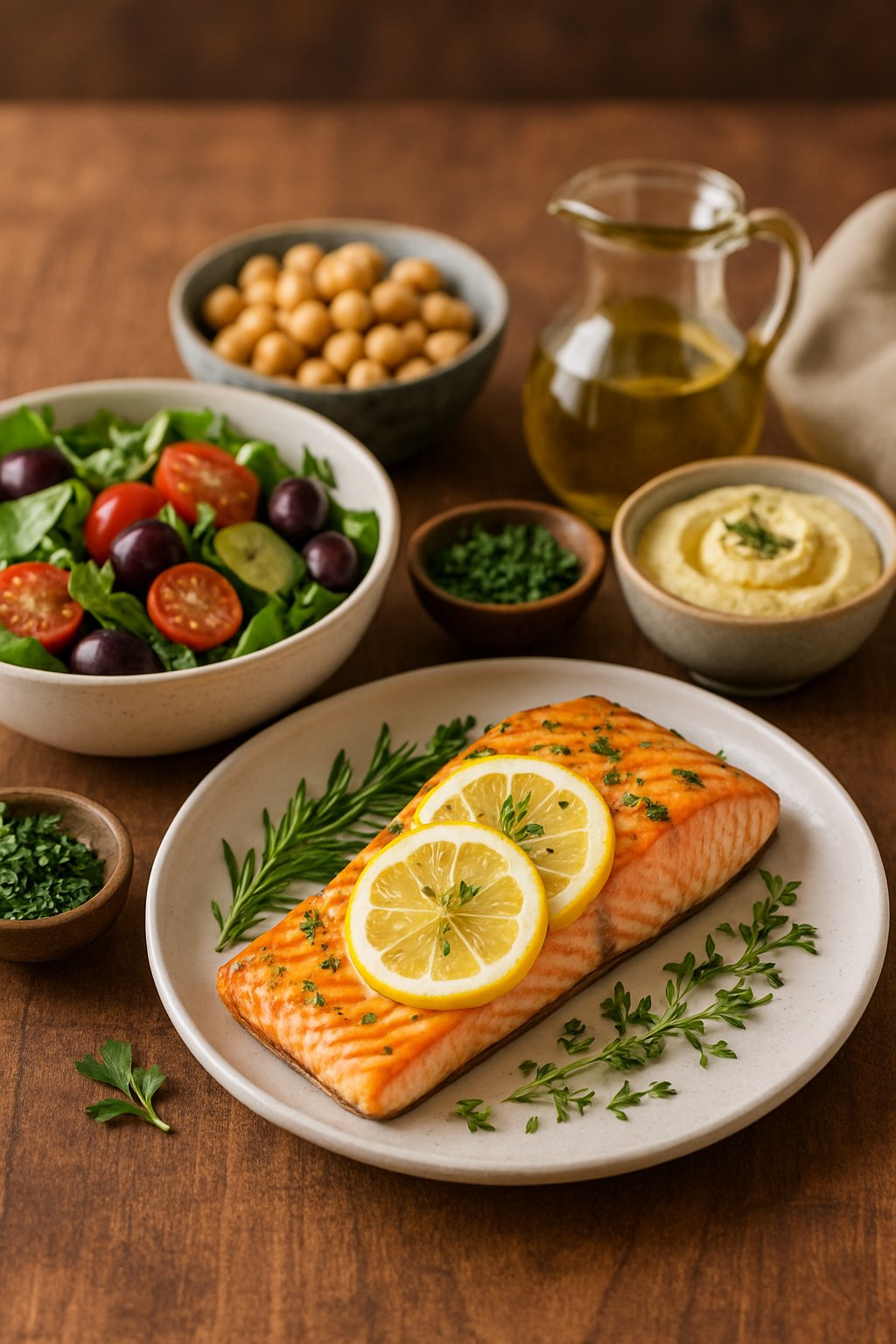
Add healthy proteins to your meals a few times each week. Fish is a great main protein—aim for it twice a week or so.
Good protein choices include:
- Fresh fish and seafood
- Chicken breasts and other poultry
- Egg dishes for breakfast or dinner
- Smaller amounts of cheese and dairy
These lean proteins help you feel satisfied and support your health goals.
Stay Away From Factory-Made Foods
Following this diet means you’ll naturally eat fewer packaged and factory-made foods. Those usually pack in too much salt, added sugar, and all the wrong fats.
Common processed foods to limit:
- Fast food meals
- Frozen dinners
- Packaged snacks and chips
- Sugary cereals
- Processed meats like bacon and hot dogs
It’s honestly easier to skip these when your plate’s already full of fresh veggies, fruit, and whole grains. Simple swaps like this do your heart a favor and help keep your weight steady.
Carbs, fats, and proteins: Micronutrients and the Mediterranean diet
The Mediterranean diet runs on three main energy sources: carbs, fats, and proteins. These work together to keep you feeling good and energized. You don’t have to count every gram, but knowing how they fit into your meals just makes eating less stressful.
Getting your carbs from the right places is key. Carbs should be about 45-65% of what you eat daily. Instead of processed stuff, you’ll get carbs from fresh fruits and veggies. Whole grains like brown rice and oats give you steady energy, while beans and lentils offer a double whammy of carbs and protein.
These natural carbs come with fiber and vitamins that actually help you feel full longer than sugary snacks or white bread ever could.
Healthy fats are your friend here. Aim for 20-35% of your daily calories from good fats. Extra virgin olive oil is the go-to for cooking and salads. Seriously, you can cook with it—don’t let anyone convince you otherwise.
Nuts and seeds add crunch and healthy fats to your meals. Fish like salmon and sardines bring in those omega-3s your heart loves. Even cheese and yogurt can be good fat sources if you pick full-fat versions (and hey, they taste better).
Try squeezing lemons over your olive oil for a super simple, tasty dressing.
Protein keeps your muscles strong, but you probably need less than you think. Mix up plant and animal proteins through the week. Chickpeas, nuts, and whole grains give you plant protein, while fish, chicken, and eggs cover all the amino acids you need.
| Nutrient | Daily Amount | Best Sources |
|---|---|---|
| Carbs | 45-65% | Fruits, vegetables, whole grains, beans |
| Fats | 20-35% | Olive oil, nuts, fish, cheese |
| Protein | 10-35% | Fish, poultry, beans, nuts, eggs |
Your exact needs depend on your age, how active you are, and your body size. But honestly, the Mediterranean way just makes it easy (and tasty) to get what you need.
Common Mediterranean Diet Myths Debunked
There’s a lot of confusion out there about the Mediterranean diet. Some of these myths stop people from even giving it a try. Let’s set the record straight so you can make better choices for yourself.
You Can’t Follow This Diet Outside Mediterranean Countries
That’s just not true. You can totally follow Mediterranean eating wherever you live. Most grocery stores have what you need—fresh veggies, fish, nuts, whole grains, olive oil. No need to move to Greece.
Red Meat and Desserts Are Completely Banned
Nope! You can still have red meat and sweets, just not every day. Think of them as treats, not the main event.
Only Fresh Produce Counts
This myth keeps a lot of people from starting. Frozen fruits and veggies are just as good as fresh—sometimes even better because they’re frozen at peak ripeness. Canned stuff like tomatoes and beans is fine too, and it won’t break the bank.
| Food Type | Fresh | Frozen | Canned |
|---|---|---|---|
| Vegetables | ✓ | ✓ | ✓ |
| Fruits | ✓ | ✓ | ✓ |
| Beans | ✓ | ✓ | ✓ |
Everything Must Be Made From Scratch
Honestly, no one has time for that. There are plenty of shortcuts that still fit the Mediterranean style:
- Grab a pre-cooked rotisserie chicken
- Use canned beans and chickpeas
- Pick up ready-made tomato sauces
- Buy pre-cut veggies
Just rinse canned beans to lower the sodium, and you’re good.
Cooking With Olive Oil Is Bad
This one always comes up. Olive oil is the main cooking fat in Mediterranean countries. Sure, super high heat might change the flavor a bit, but good olive oil is still healthy when cooked. It should taste fresh and maybe even tickle your throat a little when you try it raw—that’s a good sign.
Don’t let myths hold you back. The Mediterranean diet is flexible and fits real life.
Ready to Start Your Mediterranean Journey?
The Mediterranean diet offers flexibility instead of strict rules. You can create your own eating plan with a few simple guidelines. This way of eating covers all your nutritional needs—protein, carbs, and healthy fats blend deliciously on your plate.
If you want to lose weight, manage blood sugar, support heart health, or boost your energy, this method works. It doesn’t feel like a chore. You’re not on a diet; you’re embracing a lifestyle that has thrived for centuries.
The good news? You don’t need to change your entire kitchen overnight or spend a fortune on exotic ingredients. Start small. Drizzle good olive oil on your salad tonight. Swap your afternoon snack for nuts and an apple. Try fish twice this week instead of once.
Every Mediterranean meal is a chance to nourish yourself while enjoying what you eat. Most diets pile on complicated rules and restrictions, but this approach actually encourages you to enjoy food, feel satisfied, and take care of your health at the same time.
That’s something you can stick with for the long haul.


